Essential Guide to Confined Space Entry & Rescue
Confined spaces present some of the most dangerous work environments in industry. Understanding the risks and having the right retrieval system is literally a matter of life and death for onsite personnel.
What Defines a Confined Space?
A confined space is generally defined as an area that meets three specific criteria according to international safety standards.
- Is large enough for an employee to enter and perform work.
- Has limited or restricted means for entry or exit (e.g., tanks, vessels, silos, storage bins, and pits).
- Is not designed for continuous employee occupancy.
The Role of the Rescue Tripod
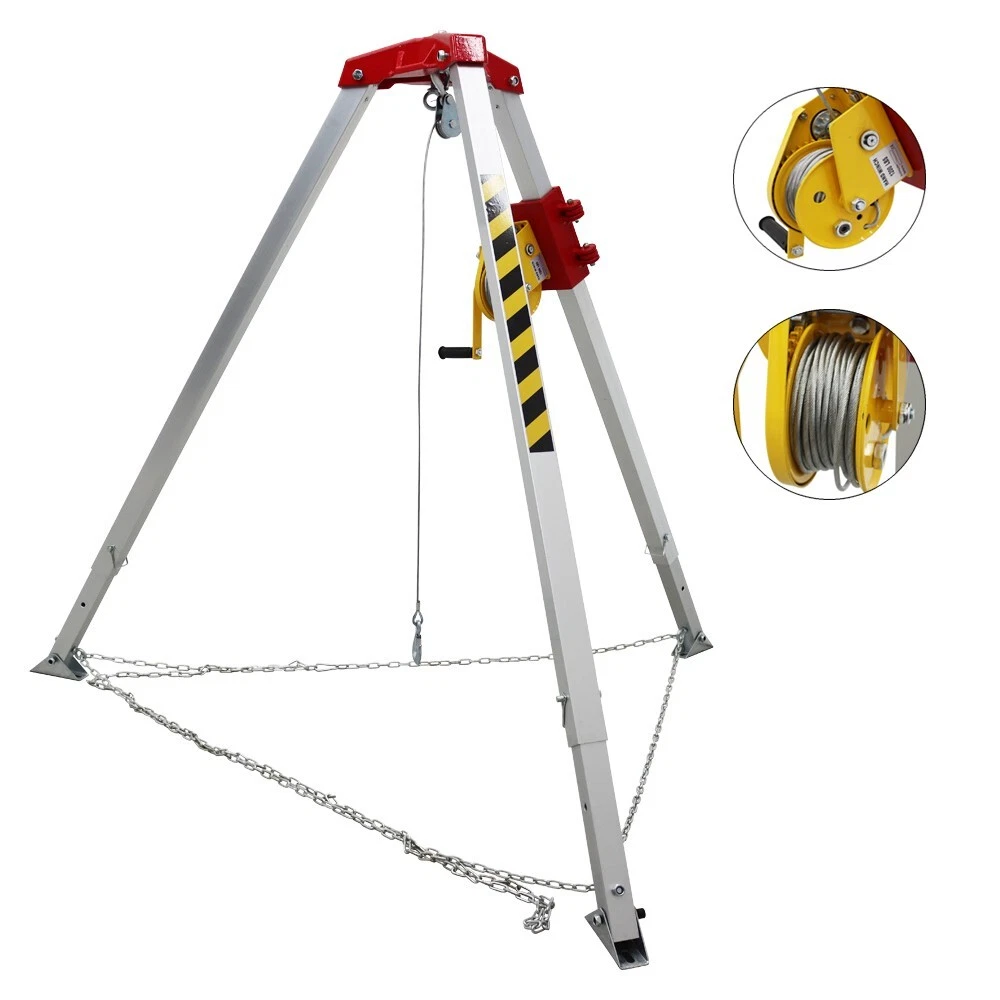
In "vertical entry" scenarios—where a worker must be lowered into a space—a tripod system like the SafetyTripod PST-361 acts as the primary anchor point.
The tripod provides a stable overhead anchor that is essential for both personnel hoisting and fall arrest protection.
It serves two critical functions for site safety teams:
- Fall Arrest: Stopping a fall if the worker slips while climbing a ladder inside the tank or manhole.
- Retrieval: Allowing the topside attendant to mechanically hoist the worker to safety during emergencies.
Safety Tip: The Golden Rule
Never enter a confined space to rescue a victim without backup and proper respiratory equipment. Over 60% of confined space fatalities are would-be rescuers. Always use the winch retrieval system first.
Why EN795 Certification Matters
Equipment used for life safety must be certified. The PST-361 is tested to EN795:2012 Type B, which ensures it can withstand the static and dynamic forces generated during a fall arrest or rescue operation.